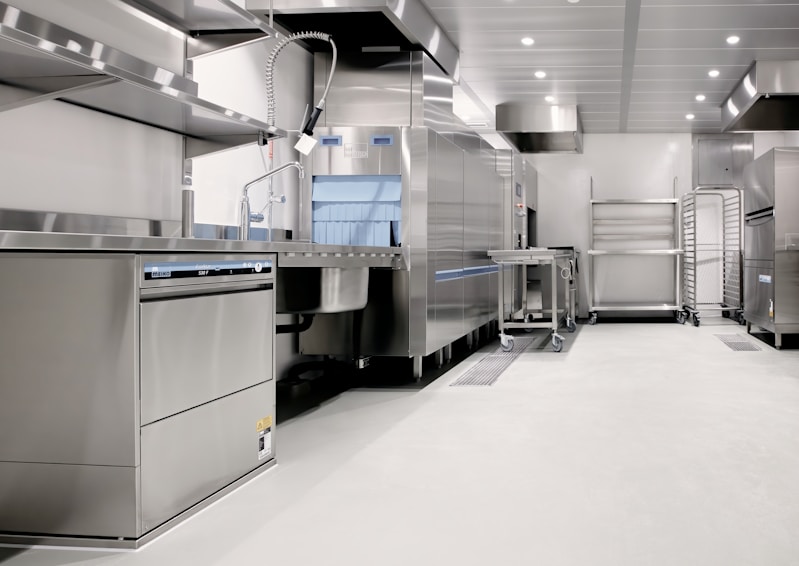
Sustainable commercial kitchen design is no longer optional—it's a business imperative. Consumers increasingly support environmentally responsible businesses, and sustainable practices deliver measurable cost savings. This guide explores practical approaches to green kitchen design.
Energy Efficiency Foundations
Equipment Selection
Choose ENERGY STAR certified equipment that offers:
- 10-70% energy savings versus standard models
- Water efficiency improvements
- Reduced heat output (lower cooling loads)
- Utility rebate eligibility
Cooking Equipment Optimization
Modern efficient options include:
- Induction cooktops: 90% energy efficiency vs 40% for gas
- Combi ovens: Replace multiple pieces of equipment
- Energy-efficient fryers: Rapid heat-up and recovery
- Heat pump water heaters: 3x more efficient than electric resistance
Water Conservation
Dishwashing
Efficient dishwashing strategies:
- Low-temperature sanitizing dishwashers
- Heat recovery from rinse water
- Pre-rinse spray valves (1.28 gpm or less)
- Proper rack loading training
Ice Machines
Water-efficient ice production:
- Air-cooled machines (eliminate condenser water waste)
- Proper sizing to avoid overproduction
- Regular maintenance for efficiency
Waste Reduction
Food Waste Management
Implement comprehensive waste reduction:
- Waste tracking and analysis systems
- Composting programs
- Food donation partnerships
- Pulper/extractor systems to reduce hauling
Recycling Infrastructure
Design for efficient recycling:
- Dedicated recycling stations
- Clear signage and training
- Compactors for cardboard and plastics
- Oil recycling systems
HVAC Sustainability
Green HVAC approaches include:
- Demand-controlled ventilation
- Heat recovery from exhaust air
- Variable frequency drives on fans
- High-efficiency filtration
- Natural refrigerants
Materials and Finishes
Sustainable material choices:
- Recycled-content stainless steel
- Low-VOC paints and finishes
- Sustainably sourced wood
- Durable materials that last
Certifications and Standards
Consider pursuing:
- LEED certification: For overall green building
- Green Restaurant Association: Restaurant-specific standards
- ENERGY STAR Portfolio Manager: Track and benchmark performance
Financial Benefits
Sustainable design delivers:
- 20-30% reduction in utility costs
- Utility rebates and incentives
- Marketing advantages
- Reduced waste disposal costs
- Higher property values
Conclusion
Sustainable commercial kitchen design aligns environmental responsibility with business success. By integrating green practices from the planning stage, you create operations that are efficient, cost-effective, and future-ready.