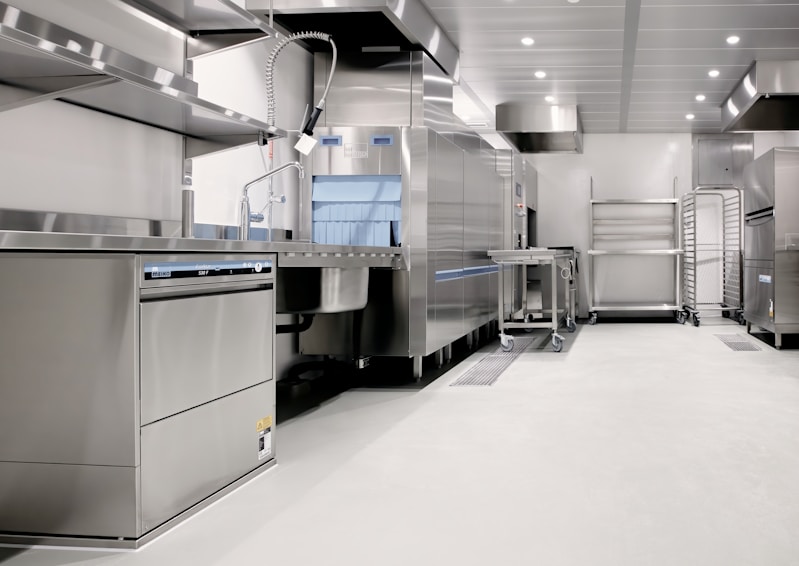
Refrigeration accounts for approximately 40% of a restaurant's energy consumption, making it the largest single energy expense in most food service operations. Upgrading to energy-efficient refrigeration can dramatically reduce operating costs while improving food safety.
Understanding Energy Efficiency Ratings
When evaluating refrigeration equipment, look for:
- ENERGY STAR certification: Equipment that meets strict energy efficiency guidelines
- High EER ratings: Energy Efficiency Ratio measures cooling output per watt of electricity
- Variable speed compressors: Adjust cooling capacity to match actual needs
Types of Efficient Refrigeration Systems
Walk-in Coolers and Freezers
Modern walk-in units feature:
- High-density insulation (R-28 to R-32)
- LED lighting with motion sensors
- Electronic expansion valves for precise control
- Hot gas defrost systems that use waste heat
Reach-in Refrigerators
Energy-efficient reach-ins include:
- Double-pane glass doors with low-e coating
- Electronically commutated motors (ECM) for fans
- Automatic door closers
- Night curtains for open display cases
Smart Controls and Monitoring
IoT-enabled refrigeration systems provide:
- Real-time temperature monitoring
- Automatic alerts for temperature excursions
- Energy consumption tracking
- Predictive maintenance notifications
Natural Refrigerants
The industry is shifting toward natural refrigerants like:
- CO2 (R-744): Zero ozone depletion potential
- Propane (R-290): Excellent efficiency in smaller systems
- Ammonia (R-717): Highly efficient for large installations
Best Practices for Efficiency
Maximize refrigeration efficiency with these practices:
- Maintain proper door seals and gaskets
- Keep condenser coils clean
- Ensure adequate airflow around units
- Organize inventory to minimize door-open time
- Set appropriate temperature setpoints
ROI Analysis
Energy-efficient refrigeration typically delivers:
- 25-50% reduction in energy costs
- Payback period of 2-4 years
- Utility rebates in many regions
- Reduced maintenance costs
Conclusion
Investing in energy-efficient refrigeration is one of the smartest decisions food service operators can make, delivering immediate cost savings while supporting sustainability goals.