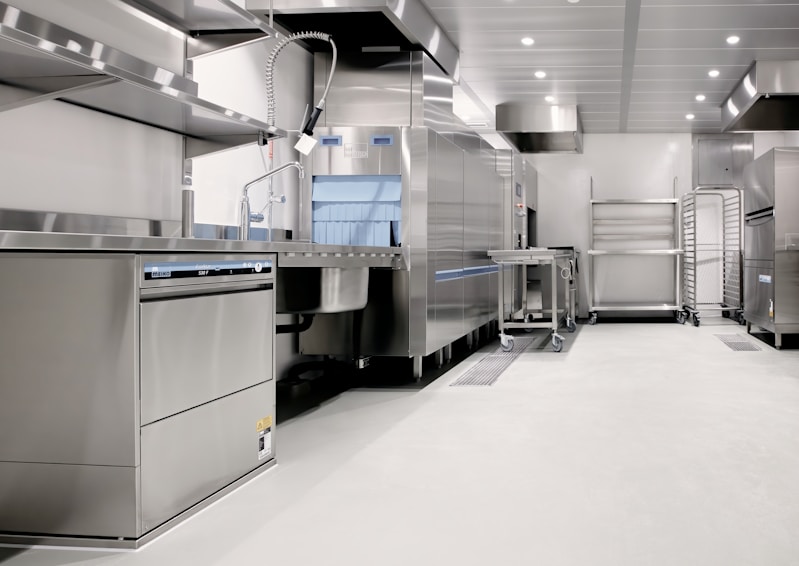
Humidity control in commercial kitchens is often overlooked, yet it plays a crucial role in food safety, equipment performance, and staff comfort. Understanding and managing humidity can prevent numerous operational issues.
Why Humidity Matters in Commercial Kitchens
Commercial kitchens generate significant moisture from:
- Steam from cooking processes
- Dishwashing operations
- Food preparation activities
- Cleaning and sanitization
Impact of High Humidity
Food Safety Concerns
Excess humidity creates conditions for:
- Bacterial and mold growth
- Shortened shelf life of stored foods
- Condensation contamination
Equipment Issues
High humidity affects equipment through:
- Corrosion of metal surfaces
- Electrical system degradation
- Reduced refrigeration efficiency
- Ice buildup in freezers
Structural Damage
Long-term humidity issues cause:
- Ceiling and wall deterioration
- Peeling paint and finishes
- Warped flooring
- Compromised insulation
Humidity Control Solutions
Ventilation Optimization
Proper ventilation is the first line of defense:
- Adequate exhaust rates for moisture removal
- Balanced make-up air with dehumidification
- Strategic hood placement over steam-producing equipment
Dedicated Dehumidification
For high-humidity environments, consider:
- Desiccant dehumidifiers for consistent control
- Refrigerant-based systems for larger spaces
- Integrated HVAC dehumidification
Source Control
Reduce humidity at the source by:
- Using lids on cooking vessels
- Optimizing dishwasher venting
- Scheduling wet cleaning during off-hours
Recommended Humidity Levels
Target relative humidity levels:
- General kitchen areas: 40-60% RH
- Dry storage: 50-55% RH
- Walk-in coolers: 80-85% RH
- Bakery areas: 60-70% RH
Monitoring and Control
Implement monitoring systems that:
- Track humidity levels continuously
- Alert when levels exceed thresholds
- Log data for compliance documentation
- Integrate with HVAC controls
Conclusion
Effective humidity control is essential for maintaining food safety standards, protecting equipment investments, and creating comfortable working conditions in commercial kitchens.