Insulation technology has evolved significantly in recent years, offering commercial spaces new opportunities to improve energy efficiency, reduce noise, and maintain consistent temperatures. Understanding these innovations can help you make informed decisions for your facility.
Why Insulation Matters for HVAC Efficiency
Proper insulation directly impacts:
- Energy consumption for heating and cooling
- Equipment sizing requirements
- Indoor air quality
- Noise transmission between spaces
Advanced Insulation Materials
Aerogel Insulation
Originally developed for space applications, aerogel offers:
- R-values of R-10 per inch (vs R-3.5 for fiberglass)
- Extremely thin profile for space-constrained areas
- Excellent thermal performance in ductwork
Vacuum Insulation Panels (VIPs)
VIPs provide exceptional performance:
- R-values up to R-40 per inch
- Ideal for walk-in coolers and freezers
- Reduced wall thickness requirements
Phase Change Materials (PCMs)
PCMs absorb and release heat at specific temperatures:
- Stabilize temperature fluctuations
- Reduce peak cooling loads
- Can be integrated into building materials
Spray Foam Advancements
Modern spray foam insulation offers:
- Closed-cell formulas with R-6.5 per inch
- Air sealing and insulation in one application
- Moisture barrier properties
- Bio-based and low-GWP formulations
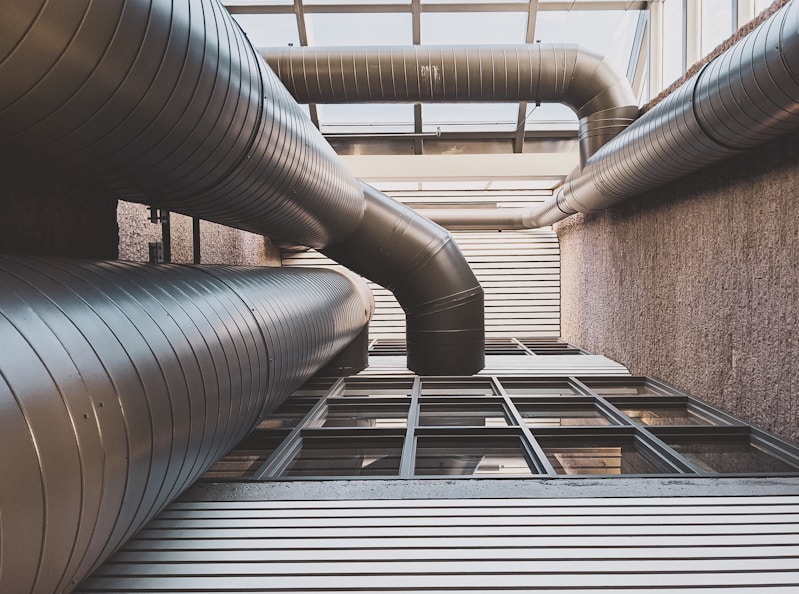
Ductwork Insulation Innovations
New approaches to duct insulation include:
- Pre-insulated duct panels: Factory-applied insulation for consistent quality
- Reflective insulation wraps: Combine thermal and radiant barriers
- Acoustic insulation: Dual-purpose thermal and sound control
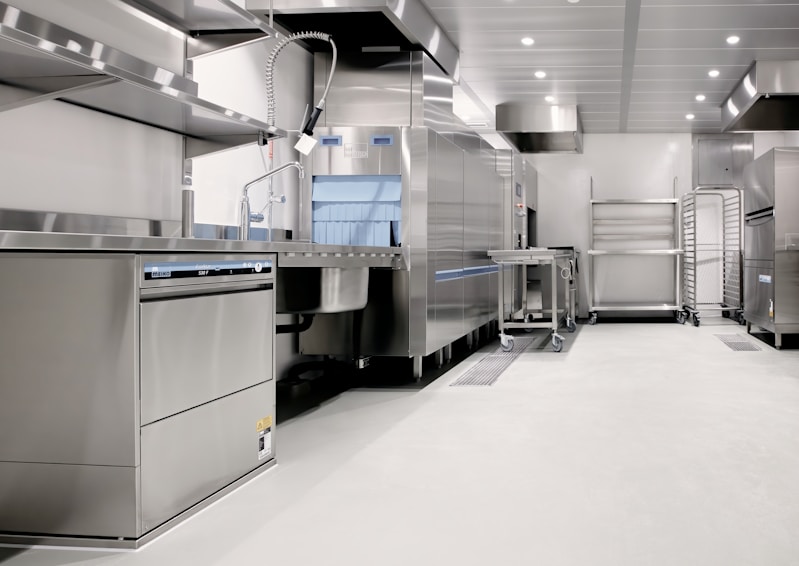
Kitchen-Specific Applications
Commercial kitchens benefit from:
- High-temperature insulation for cooking equipment
- Grease-resistant insulation materials
- Fire-rated insulation for code compliance
- Easy-clean surface treatments
Installation Best Practices
Maximize insulation effectiveness by:
- Eliminating thermal bridges
- Ensuring continuous coverage
- Proper vapor barrier placement
- Professional installation verification
Return on Investment
Quality insulation typically delivers:
- 15-30% reduction in HVAC energy costs
- Smaller equipment requirements (lower capital costs)
- Improved occupant comfort
- Extended equipment lifespan
Conclusion
Investing in modern insulation technologies offers substantial returns through energy savings, improved comfort, and reduced equipment wear. Consider these innovations when designing or upgrading your commercial HVAC and kitchen systems.