Regular HVAC maintenance is not just a recommendation—it's essential for protecting your investment, ensuring reliable operation, and maintaining energy efficiency. A well-maintained system can last 15-20 years, while neglected equipment often fails within 10 years.
Why Maintenance Matters
Energy Efficiency
Poorly maintained systems consume 10-25% more energy due to:
- Dirty filters restricting airflow
- Fouled coils reducing heat transfer
- Refrigerant leaks lowering capacity
- Worn components increasing friction
Equipment Longevity
Regular maintenance extends equipment life by:
- Preventing premature wear
- Catching small problems before they escalate
- Maintaining proper operating conditions
- Protecting warranty coverage
Reliability
Maintenance reduces unexpected breakdowns that:
- Disrupt business operations
- Create emergency repair expenses
- Impact customer comfort and satisfaction
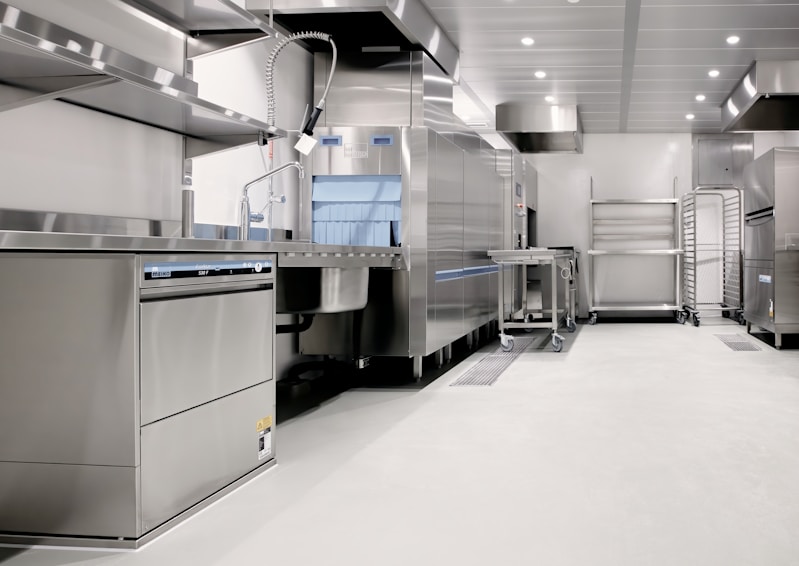
- Risk food safety in commercial kitchens
Essential Maintenance Tasks
Monthly Tasks
- Check and replace air filters
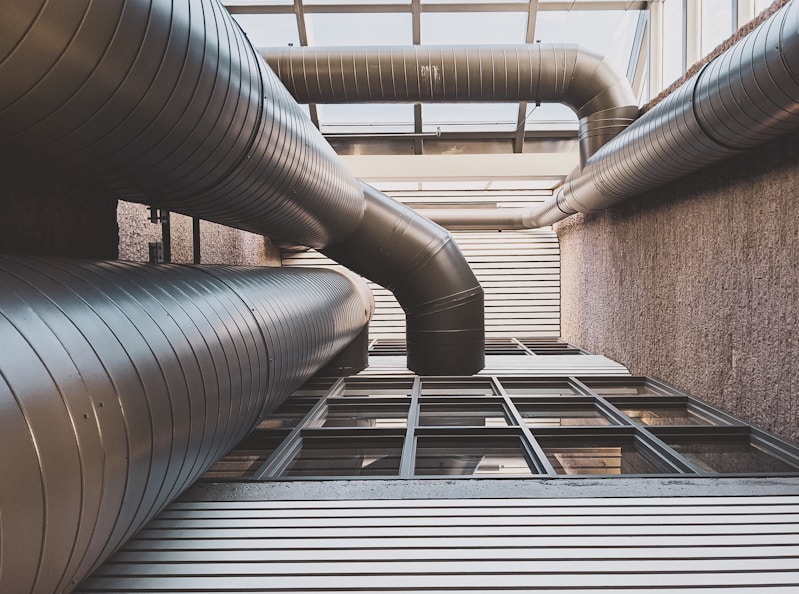
- Inspect visible ductwork for damage
- Verify thermostat operation
- Clear debris around outdoor units
- Check condensate drains
Quarterly Tasks
- Clean evaporator and condenser coils
- Lubricate moving parts
- Check refrigerant levels
- Inspect electrical connections
- Test safety controls
Annual Tasks
- Comprehensive system inspection
- Duct cleaning and sealing
- Belt replacement
- Calibrate controls and sensors
- Performance testing and documentation
Creating a Maintenance Plan
An effective maintenance program includes:
- Equipment inventory: Document all HVAC assets
- Maintenance schedules: Calendar all tasks by frequency
- Service records: Track all work performed
- Budget allocation: Plan for routine and preventive maintenance
- Contractor relationships: Partner with qualified service providers
Maintenance Contracts
Consider professional maintenance agreements that offer:
- Scheduled inspections and tune-ups
- Priority emergency service
- Discounted repair rates
- Parts and labor warranties
- Documentation for compliance
Signs Your System Needs Attention
Watch for these warning signs:
- Unusual noises or vibrations
- Inconsistent temperatures
- Increased energy bills
- Frequent cycling
- Poor air quality or odors
- Visible ice formation
Conclusion
Investing in regular HVAC maintenance pays dividends through lower energy costs, fewer repairs, and longer equipment life. Partner with experienced professionals to develop and execute a comprehensive maintenance strategy.